
Muscle Building Men 50+: A Friendly Guide to Getting Stronger After 50
Getting stronger and building muscle after 50 might seem like a challenge, but it’s absolutely possible and incredibly rewarding. If you’ve been thinking about how to improve your fitness and feel more energetic, you’re in the right place. I want to share some practical tips and encouragement to help you on your journey. Whether you’re just starting or getting back into exercise, this guide will support you every step of the way.
Why Muscle Building Men 50+ Is So Important
As we age, our bodies naturally lose muscle mass and strength. This process, called sarcopenia, can start as early as our 30s but becomes more noticeable after 50. Losing muscle can affect your balance, metabolism, and overall quality of life. The good news is that muscle building men 50+ can reverse or slow down this process.
Building muscle helps you:
Improve your metabolism and burn more calories even at rest
Maintain better balance and reduce the risk of falls
Support joint health and reduce pain
Boost your energy and mood
Enhance your overall independence and quality of life
You don’t need to become a bodybuilder to enjoy these benefits. Even moderate strength training can make a big difference.

Getting Started with Muscle Building Men 50+
Starting a muscle-building routine after 50 requires a thoughtful approach. Your body might not recover as quickly as it did in your 20s, so it’s important to listen to yourself and progress gradually.
Here’s how to begin:
Consult Your Doctor
Before starting any new exercise program, especially if you have health concerns, get a check-up. This helps ensure your plan is safe and tailored to your needs.
Focus on Compound Movements
Exercises that work multiple muscle groups at once are efficient and effective. Think squats, push-ups, rows, and deadlifts. These moves build strength and improve coordination.
Start with Bodyweight or Light Weights
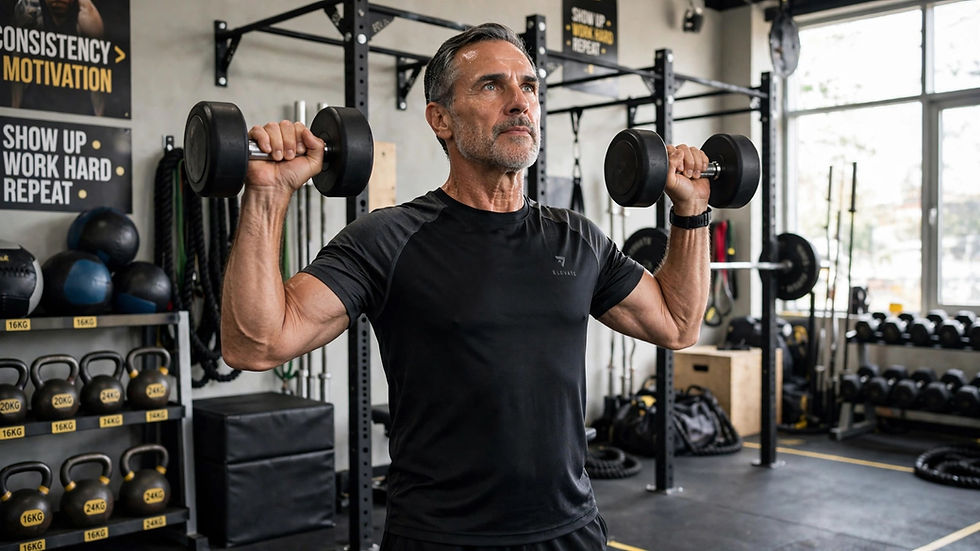
You don’t need heavy weights right away. Begin with your own body weight or light dumbbells to master form and avoid injury.
Aim for 2-3 Sessions per Week
Consistency is key. Two to three strength training sessions weekly allow your muscles to recover and grow.
Warm Up and Cool Down
Always spend 5-10 minutes warming up with light cardio and stretching. Cooling down helps reduce soreness and improve flexibility.
Remember, progress might be slower than when you were younger, but every step forward counts.
Nutrition Tips to Support Muscle Growth
Building muscle isn’t just about lifting weights. What you eat plays a huge role in your success. After 50, your metabolism changes, and your body needs the right fuel to repair and build muscle.
Here are some nutrition tips to keep in mind:
Prioritize Protein
Protein is the building block of muscle. Aim for about 1 to 1.2 grams of protein per kilogram of body weight daily. Good sources include lean meats, fish, eggs, dairy, beans, and nuts.
Stay Hydrated
Water supports muscle function and recovery. Drink plenty of fluids throughout the day.
Include Healthy Fats
Omega-3 fatty acids found in fish, flaxseeds, and walnuts help reduce inflammation and support joint health.
Don’t Skip Carbs
Carbohydrates provide energy for your workouts. Choose whole grains, fruits, and vegetables for sustained energy.
Consider Timing
Eating a balanced meal or snack with protein and carbs within 1-2 hours after your workout can help muscle recovery.
If you want to dive deeper into personalized nutrition, working with a dietitian or nutrition coach can be a great investment.

How to Stay Motivated and Consistent
Staying motivated can be one of the biggest challenges, especially when results take time. Here are some strategies that have helped me and many others:
Set Realistic Goals
Instead of aiming for huge changes overnight, set small, achievable goals. Celebrate each milestone.
Track Your Progress
Keep a workout journal or use an app to log your exercises, weights, and reps. Seeing progress on paper is motivating.
Find a Workout Buddy or Coach
Having someone to share your journey with makes workouts more enjoyable and keeps you accountable.
Mix It Up
Variety prevents boredom. Try different exercises, classes, or outdoor activities to keep things fresh.
Focus on How You Feel
Notice improvements in energy, mood, and daily activities, not just the scale or mirror.
Remember, this is a lifelong journey. Patience and kindness toward yourself go a long way.
Tips for Safe and Effective Workouts
Safety is especially important when building muscle men 50+. Here are some tips to keep your workouts effective and injury-free:
Use Proper Form
Take time to learn the correct technique. Consider working with a trainer for guidance.
Don’t Rush
Perform exercises slowly and with control. This helps engage muscles fully and reduces injury risk.
Listen to Your Body
If something hurts (not just normal muscle fatigue), stop and reassess. Rest if you feel overly sore or tired.
Include Rest Days
Muscles grow during rest, not just during workouts. Make sure to have at least one or two rest days per week.
Incorporate Flexibility and Balance Training
Yoga, stretching, and balance exercises complement strength training and improve overall fitness.
If you want to learn more about building muscle after 50 for men, there are many resources and programs designed specifically for this stage of life.
Embracing the Journey to a Stronger You
Building muscle after 50 is about more than just physical changes. It’s about feeling confident, energized, and capable in your daily life. Every workout, every healthy meal, and every positive choice adds up to a stronger, healthier you.
Remember, you’re not alone on this path. With the right mindset, support, and tools, you can achieve your fitness goals and enjoy the benefits for years to come. Let’s keep moving forward together!


Comments