
How to Start Exercising after 50 and Feel Great Every Day
Updated: Jul 6
Starting a Fitness Journey at 50+: Your Guide to a Healthier You
=================================================================
Starting a fitness routine at 50+ can feel overwhelming. Maybe you haven’t exercised in years, or you’re worried about injuries or not knowing where to begin. I get it. But the truth is, it’s never too late to start moving your body and feeling stronger. In fact, beginning a workout plan now can boost your energy, improve your mood, and help you stay healthy for years to come.
Let me walk you through simple, practical steps to help you get started with confidence. You’ll also find some helpful tools and services that can make your journey easier and more enjoyable.
Why Starting Exercise at 50+ Is a Great Idea
After about age 40, your body changes. Muscle mass naturally decreases, metabolism slows down, and bones can become less dense. But exercise can slow or even reverse many of these changes. It helps you:
Maintain a healthy weight
Build and keep muscle strength
Improve heart and lung health
Boost mood and reduce stress
Increase flexibility and balance
Starting now means you’re investing in your future self. You’ll feel better day to day and reduce the risk of chronic diseases like diabetes, heart disease, and arthritis.
How to Start Exercising at 50+ Without Overdoing It
Jumping into intense workouts can lead to injury or burnout. Instead, focus on building a routine that fits your current fitness level and lifestyle. Here’s how:
1. Check Your Health First
Before starting, it’s smart to talk with your doctor, especially if you have health conditions or concerns. They can help you understand what types of exercise are safe and suggest any precautions.
2. Set Realistic Goals
Think about what you want to achieve. Is it losing weight, gaining strength, or just feeling more energetic? Setting clear, achievable goals keeps you motivated.
3. Start Small and Build Up
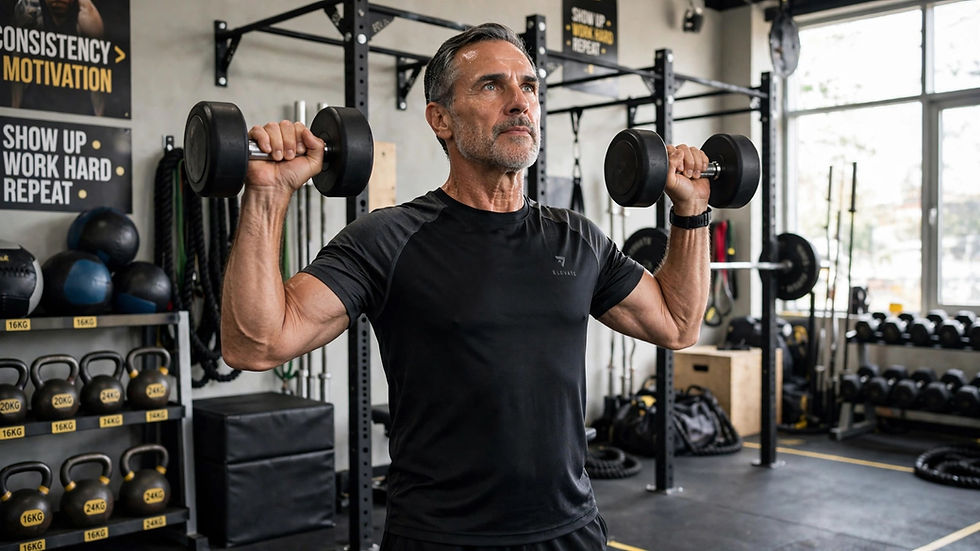
Begin with short sessions, like 10 to 15 minutes, and gradually increase the time and intensity. Walking, gentle yoga, or light strength training are great starting points.
4. Mix Different Types of Exercise
Aim for a balance of:
Cardio (walking, cycling, swimming) to improve heart health
Strength training (using weights or resistance bands) to build muscle
Flexibility exercises (stretching, yoga) to keep joints healthy
5. Listen to Your Body
Pay attention to how you feel during and after workouts. Some muscle soreness is normal, but sharp pain or extreme fatigue means you should slow down or rest.
Tools and Services That Can Help You Get Started
Finding the right support can make a big difference. Here are two options that I recommend for adults starting their fitness journey at 40:
4 EverFit Personal Training
This service specializes in personalized fitness programs for adults 40 and older in Arizona. They focus on creating workouts that fit your needs, goals, and any health concerns. Their trainers provide guidance, motivation, and adjustments as you progress.
You can learn more about their approach and services at 4 EverFit Personal Training.
Resistance Bands for Strength Training
Resistance bands are a simple, low-impact way to build muscle at home or on the go. They come in different levels of resistance, so you can start light and increase as you get stronger. Using bands helps improve muscle tone without heavy weights, which is great for joint health.
One popular option is the FitFlex Resistance Bands Set. It includes multiple bands and a guide for beginners. You can check it out here: FitFlex Resistance Bands.
Creating a Weekly Exercise Plan That Works
Consistency is key. Here’s a simple weekly plan to get you moving without feeling overwhelmed:
Monday: 20-minute brisk walk
Tuesday: Strength training with resistance bands (15-20 minutes)
Wednesday: Rest or gentle stretching/yoga
Thursday: 20-minute cycling or swimming
Friday: Strength training (focus on different muscle groups)
Saturday: Outdoor activity like hiking or gardening
Sunday: Rest or light stretching
Adjust the days and activities to fit your schedule. The goal is to keep moving regularly and enjoy it.
Staying Motivated and Overcoming Challenges
Starting a new habit can be tough. Here are some tips to keep you going:
Find a workout buddy to share the journey
Track your progress with a journal or app
Celebrate small wins like adding a few more minutes or lifting a bit heavier
Mix up your routine to keep it interesting
Remember your why — focus on how exercise makes you feel, not just the numbers on a scale
If you ever feel stuck, consider reaching out to a personal trainer who understands your needs. They can help you stay on track and adjust your plan as you improve.
The Importance of Nutrition in Your Fitness Journey
While exercise is crucial, nutrition plays an equally important role in your fitness journey. Eating a balanced diet can enhance your performance and recovery. Here are some tips to consider:
1. Focus on Whole Foods
Incorporate plenty of fruits, vegetables, whole grains, and lean proteins into your meals. These foods provide essential nutrients that support your body as you exercise.
2. Stay Hydrated
Drinking enough water is vital, especially when you’re active. Aim for at least 8 cups a day, and more if you’re exercising. Staying hydrated helps maintain energy levels and aids recovery.
3. Consider Meal Planning
Planning your meals can help you make healthier choices and avoid last-minute temptations. Set aside time each week to prepare meals or snacks that align with your fitness goals.
Embracing the Journey
Starting to exercise at 50 is a powerful step toward better health and happiness. By taking it slow, setting clear goals, and using helpful tools like personalized training or resistance bands, you can build a routine that fits your life and keeps you motivated.
If you want to learn more about how to start working out at 50+, check out resources from trusted trainers who specialize in fitness for adults over 50. Your body will thank you for the care and attention you give it now.
Remember, every step counts. Start today, and enjoy the journey to a stronger, healthier you.


Comments