
Embracing Fitness at 40: Starting Your Workout Journey with Confidence
Starting a workout routine at 40 can feel like stepping into a new chapter of life. It’s a time when our bodies might not bounce back as quickly as they did in our twenties, but it’s also a perfect moment to prioritize health and well-being. If you’ve been thinking about making a change, you’re in the right place. Together, we’ll explore how to begin this exciting journey with practical steps, gentle encouragement, and a focus on sustainable progress.
Why Fitness at 40 Matters More Than Ever
At 40, our metabolism naturally slows down, muscle mass begins to decline, and the risk of chronic conditions like heart disease and diabetes increases. But here’s the good news - starting a fitness routine now can reverse many of these effects. Exercise boosts energy, improves mood, and strengthens bones and muscles. It’s not just about looking good; it’s about feeling strong and capable every day.
You don’t need to run marathons or lift heavy weights right away. Even moderate activity like walking, swimming, or yoga can make a big difference. The key is consistency and choosing activities you enjoy. This way, fitness becomes a joyful part of your lifestyle, not a chore.

Getting Started: Practical Tips for Your Fitness Journey
Starting something new can be overwhelming, but breaking it down into manageable steps makes it easier. Here’s how you can begin:
Set Realistic Goals
Think about what you want to achieve. Is it weight loss, increased energy, or better flexibility? Setting clear, achievable goals helps keep you motivated.
Choose Activities You Enjoy
Whether it’s dancing, cycling, or gardening, find something that feels fun. You’re more likely to stick with it if it doesn’t feel like a punishment.
Schedule Your Workouts
Treat exercise like an important appointment. Block out time in your calendar and stick to it.
Start Slow and Build Up
Begin with short sessions, maybe 10-15 minutes, and gradually increase the duration and intensity.
Listen to Your Body
Pay attention to how you feel during and after exercise. It’s normal to feel some muscle soreness, but sharp pain is a warning sign.
Stay Hydrated and Eat Well
Nutrition and hydration support your workouts and recovery.
If you want a detailed guide on how to start working out at 40, this resource can be a great companion on your journey.
Can You Lift Weights with Osteoporosis?
This is a common question, especially for those over 40 who might be concerned about bone health. The answer is yes - weight lifting can be beneficial for osteoporosis, but it must be done carefully.
Strength training helps increase bone density and muscle strength, which supports your joints and reduces fracture risk. However, it’s crucial to:
Consult your doctor before starting any new exercise program.
Work with a qualified trainer who understands osteoporosis.
Focus on proper form and avoid heavy weights that strain your bones.
Include weight-bearing exercises like walking or stair climbing.
By approaching weight lifting thoughtfully, you can improve your bone health and overall fitness safely.

Building a Balanced Routine: Cardio, Strength, and Flexibility
A well-rounded fitness plan includes three key components:
Cardiovascular Exercise: Activities like brisk walking, swimming, or cycling improve heart health and endurance. Aim for at least 150 minutes of moderate cardio per week.
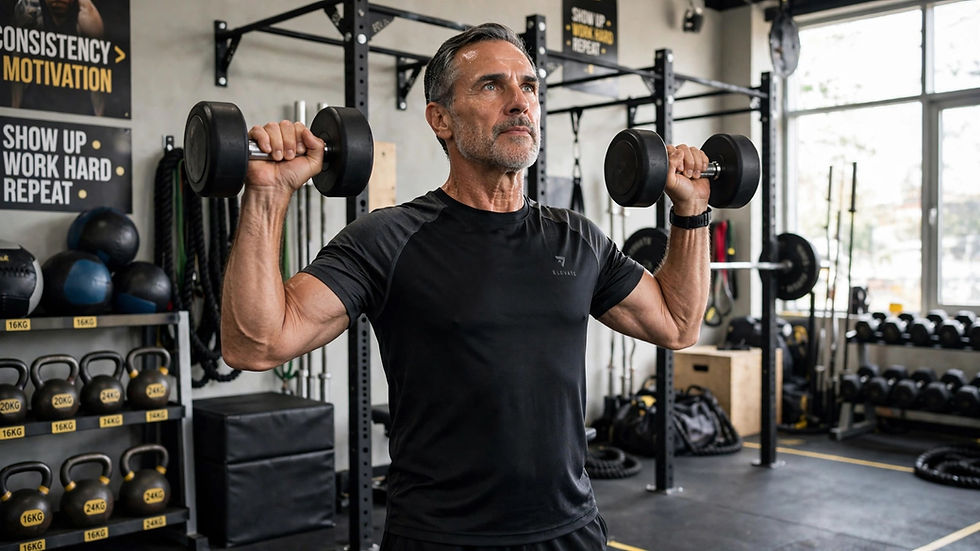
Strength Training: Building muscle helps maintain metabolism and supports joint health. Include exercises targeting all major muscle groups twice a week.
Flexibility and Balance: Stretching and balance exercises reduce injury risk and improve mobility. Yoga or Pilates are excellent choices.
Mixing these elements keeps your workouts interesting and addresses all aspects of fitness. Remember, rest days are just as important to allow your body to recover and grow stronger.
Staying Motivated and Overcoming Challenges
Starting a workout journey at 40 comes with unique challenges. Life can be busy, energy levels may fluctuate, and old habits die hard. Here are some tips to keep you on track:
Find a Workout Buddy: Exercising with a friend adds accountability and fun.
Celebrate Small Wins: Every step forward is progress. Did you walk an extra five minutes today? That’s a win!
Track Your Progress: Use a journal or app to record workouts and improvements.
Be Kind to Yourself: Some days will be harder than others. It’s okay to rest or adjust your plan.
Seek Professional Support: A personal trainer or coach can provide guidance tailored to your needs.
Remember, this journey is about long-term health and happiness, not quick fixes.
Embracing Your New Lifestyle with Confidence
Starting your fitness journey at 40 is a powerful decision. It’s about reclaiming your health, boosting your confidence, and enjoying life to the fullest. With patience, consistency, and the right support, you’ll discover strength and vitality you might have thought were behind you.
If you’re in Arizona and looking for personalized guidance, 4 EverFit Personal Training is here to help. Their programs are designed specifically for adults aged 40 and above, focusing on sustainable health and holistic well-being.
Your best years are ahead. Let’s make fitness a joyful part of your story.


Comments